


£326.58 inc VAT

Clinical Evidence
Clinical evidence is an important element in supporting the work of healthcare professionals across the world, ensuring that patients receive the most effective treatment regimes available.
 Free delivery & collections on rentals
 Rated ExcellentFree delivery & collections on rentalsRated ExcellentFree delivery & collections on rentalsRated ExcellentFree delivery & collections on rentalsRated ExcellentFree delivery & collections on rentalsRated ExcellentFree delivery & collections on rentalsRated ExcellentFree delivery & collections on rentalsRated ExcellentFree delivery & collections on rentalsRated Excellent
Clinical evidence is an important element in supporting the work of healthcare professionals across the world, ensuring that patients receive the most effective treatment regimes available.
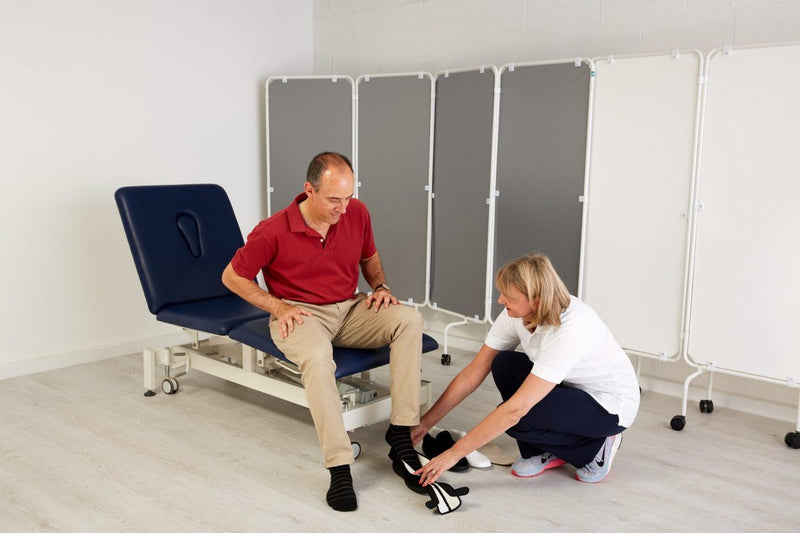
Patients’ Experience of therapeutic footwear whilst living at risk of neuropathic diabetic foot ulceration: an interpretative phenomenological analysis (IPA)
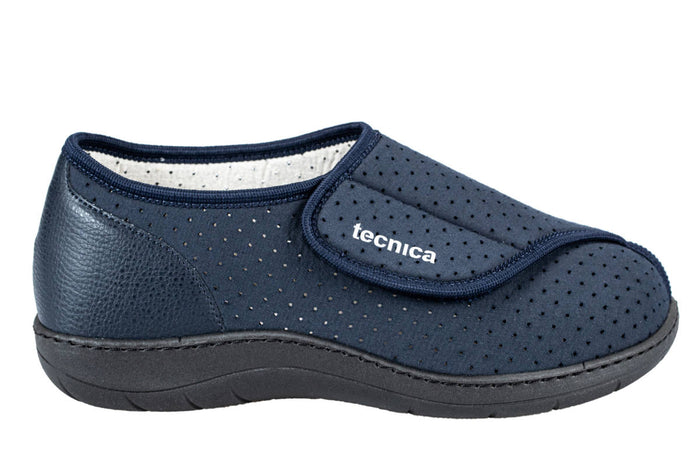
For people with diabetic neuropathy, protecting the feet is essential. Research highlights that many patients don’t wear prescribed outdoor footwear at home, increasing the need for comfortable, practical and protective indoor footwear that patients are more likely to wear consistently.
Our diabetic house shoes and slippers are designed to provide comfort and protection at home, helping make everyday foot care easier.
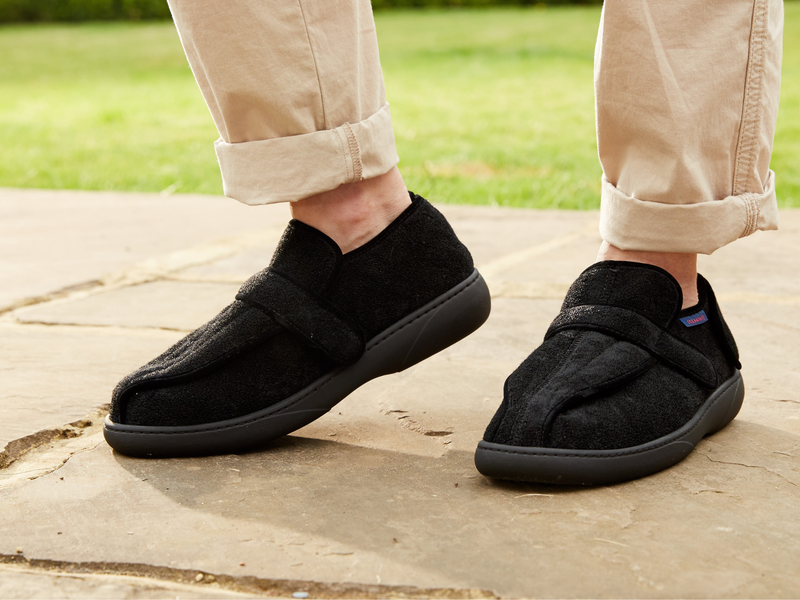
Please follow the link below for research related to diabetes and foot health.
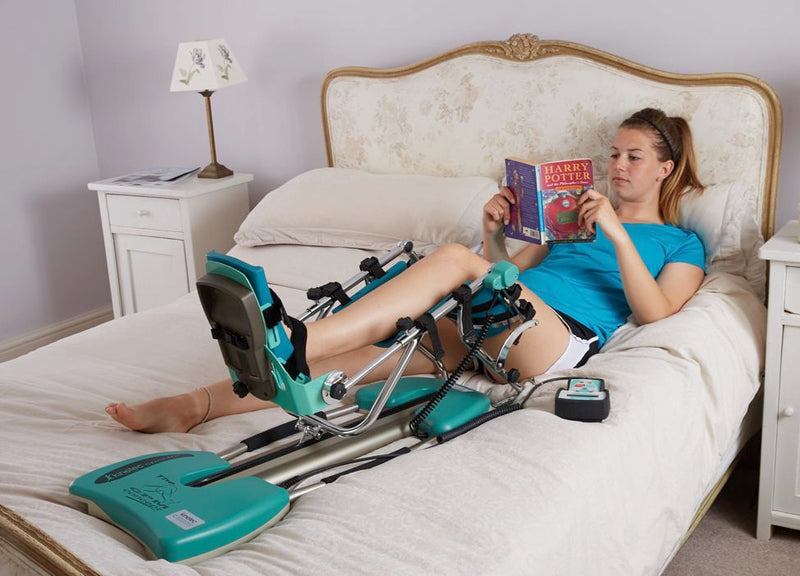
Rehabilitation following knee prosthesis surgery
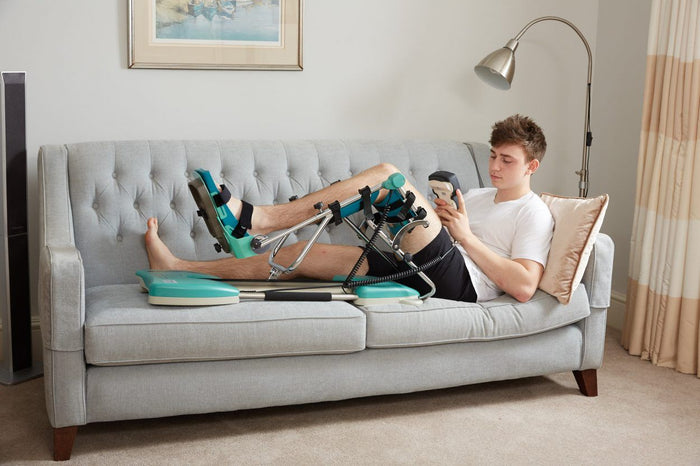
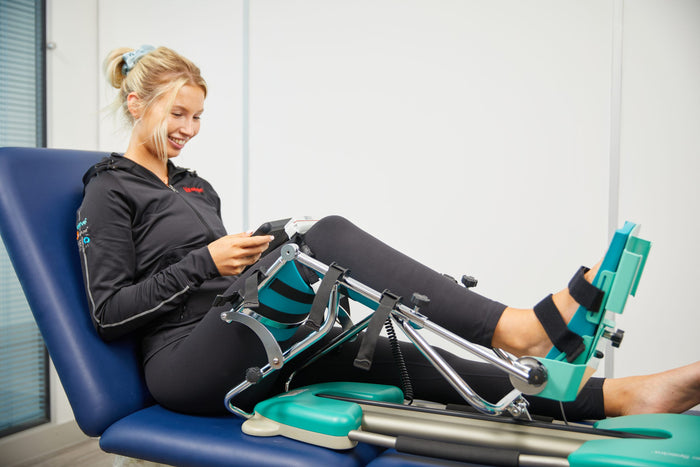
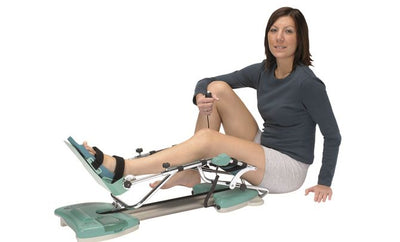
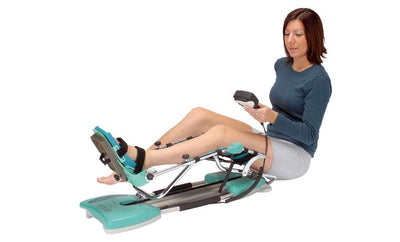
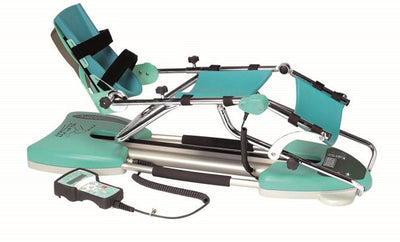
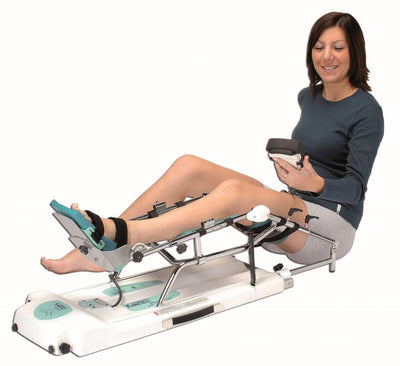
Recent research in Germany by Dr Volker Sauer, presented at the DKOU Berlin, October 2016, clearly demonstrates significantly better knee function and signifcantly better and more obvious daily activities scores at all post-op investigation points (6 weeks, 12 weeks, 52 weeks) for patients using CPM (2 hours per day) in combination with regular active physiotherapy compared to those just using regular physiotherapy. (76 patients measured using the Knee Society Score and Oxford Score)
Download a summary below.
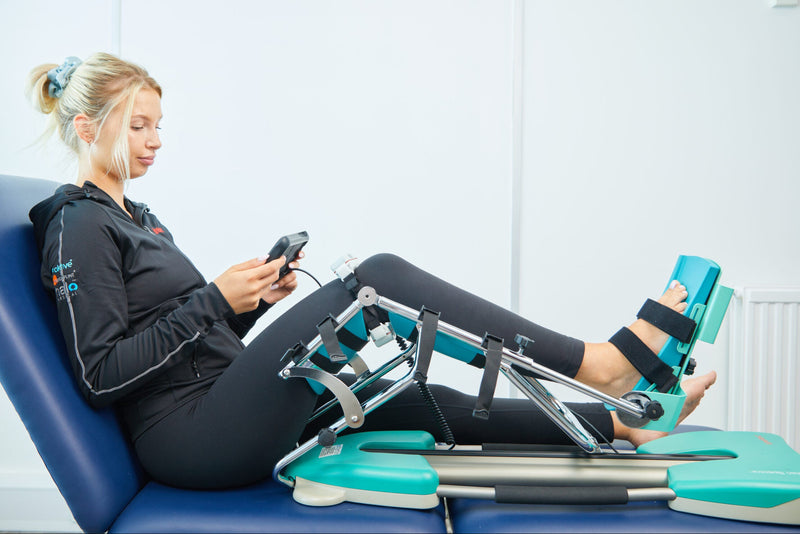
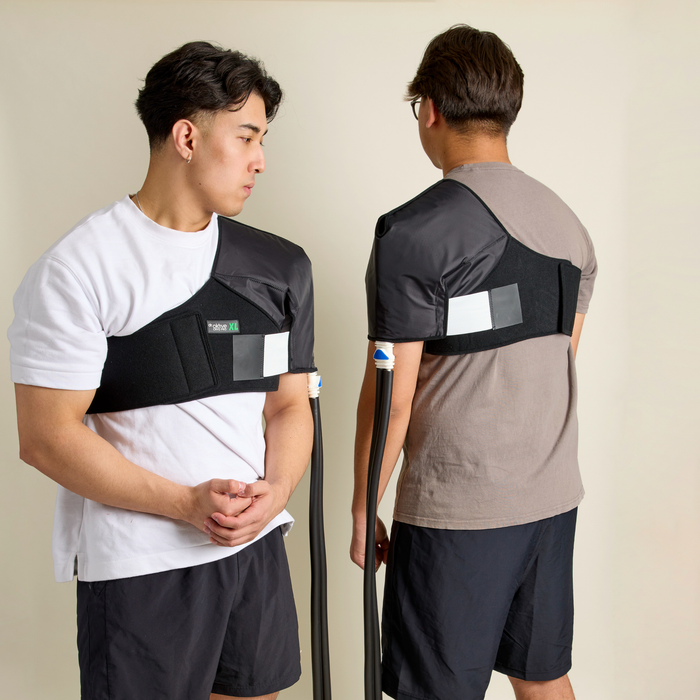
A study of 100 patients following arthroscopic rotator cuff repair compared standard passive exercises with passive exercise combined with 2 hours of CPM therapy per day for four weeks.
Patients using CPM experienced greater improvements in range of motion and pain relief at short-term follow-ups, highlighting the potential benefits of incorporating CPM therapy into post-operative shoulder rehabilitation.
Add your details below and we'll send your request to our sales team. They'll come back to you and can guide you through the next steps.