warranty

Professional Orthotic Services for CYP

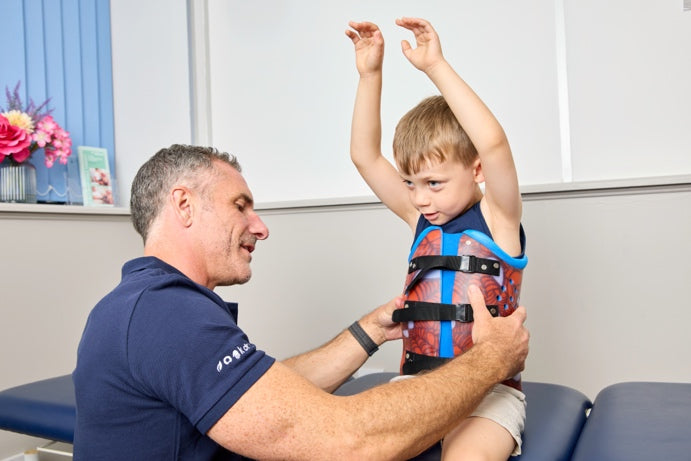
Our fully qualified paediatric orthotists work closely with families to deliver custom-made braces, footwear, and orthoses that support mobility, comfort, and independence at every stage of development.

warranty

Formerly known as John Florence

Bringing over 45 years of experience to the care of children with a wide range of orthotic needs, including some of the most complex cases in the UK.

warranty

Florence Paediatrics – Specialists

We believe in working together with families, healthcare professionals, and your wider clinical team. Our goal is simple: to help every child reach their full potential with confidence and support they can trust.

warranty

Expert Paediatric Manufacturing

At Florence Paediatrics, we craft every orthotic device in-house at a range of our dedicated Paediatric Orthotic Centres in the UK. Our main technicians are based in Sussex.

Services by Florence Paediatrics

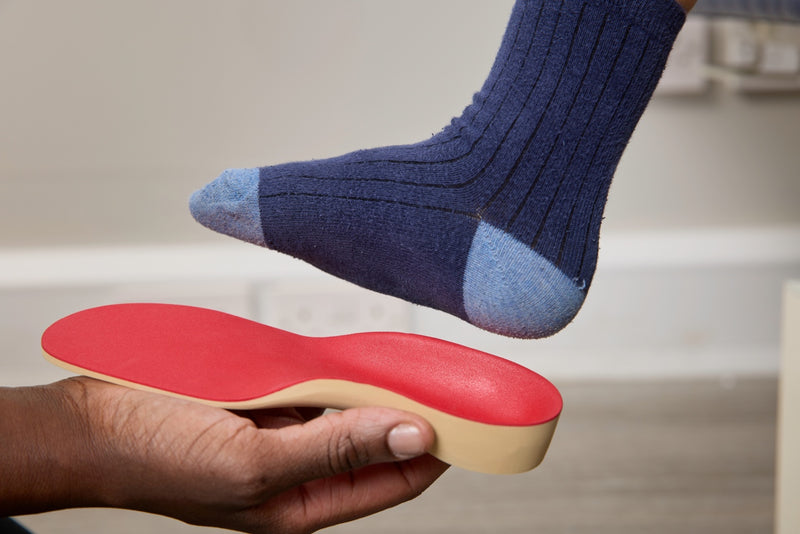
From braces and AFOs to footwear and insoles, every product is built to meet the individual needs of our patients. This close link between our clinical and manufacturing teams allows us to maintain quality, shorten turnaround times, and adapt quickly when adjustments are needed, giving you a better fit, faster.

image2 1322x882 0ad92361 c77a 497d 8581 d81c702ab4eb

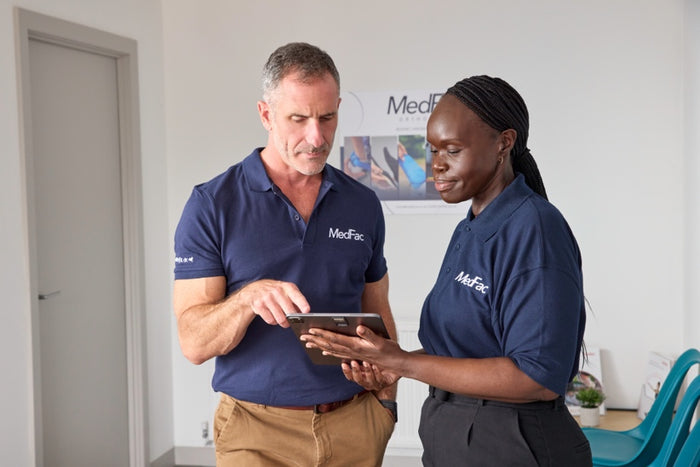
MedFac Orthotics

As the MedFac Group has grown, opportunities for collaboration between brands have naturally evolved—most notably between Halo Medical and the newly acquired Florence Paediatrics.

Florence Paediatrics brings specialist paediatric orthotics expertise, strengthening MedFac’s presence in the orthotics space. To support both brands while uniting their shared capabilities, MedFac Orthotics was established as a collective voice for wider orthotic services.

When needed, Halo Medical and Florence Paediatrics continue to stand alone—each showcasing their unique strengths and specialist focus.

image4 436x291 d6dbfa64 2cdb 41a1 8f23 595f8b0da5e5

Our Team

Our expert technicians work closely with clinicians to produce high-quality, child-specific orthoses with speed and precision, all based in Sussex.

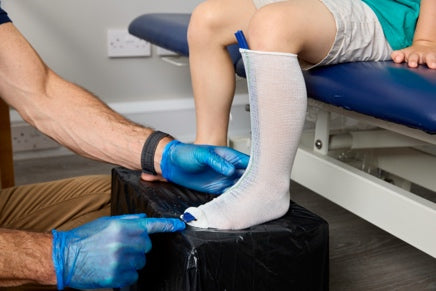
Using advanced scanning and traditional casting, we deliver tailored solutions—from AFOs to spinal braces—with many fittings, repairs, and adjustments completed the same day. With over 25 years of continuous NHS support, Florence remains a trusted name in paediatric orthotic care.

Still Need help?

Get in touch with our team and we'll help you find the right solution.

Florence Paediatrics FAQs

View all FAQs
Florence Paediatrics provides specialist orthotic care for babies, children, and young people. Our services include bespoke AFOs, spinal braces, specialist footwear, insoles, helmets, and other orthotic solutions designed around each child’s individual needs.
This depends on the service your child requires. Our team can help you understand the most appropriate route into care and whether an assessment with one of our specialist paediatric Orthotists is suitable.
The first appointment gives our Orthotist time to understand your child’s needs, development, mobility, and everyday activities. We may take measurements, assess movement and gait, or use scanning or casting techniques where appropriate. We’ll explain each step and discuss the most suitable options with you.
Yes! Our bespoke orthoses are manufactured in the UK by experienced technicians, working closely with our clinical team. This allows us to create highly personalised solutions and adjust where needed to support your child’s comfort and development.
You can begin your child’s orthotic journey by booking an appointment with Florence Paediatrics. We also offer 5–10 minute online video consultations, allowing you to speak with an Orthotist, discuss your child’s needs, and understand what type of appointment may be most appropriate.

Related Articles

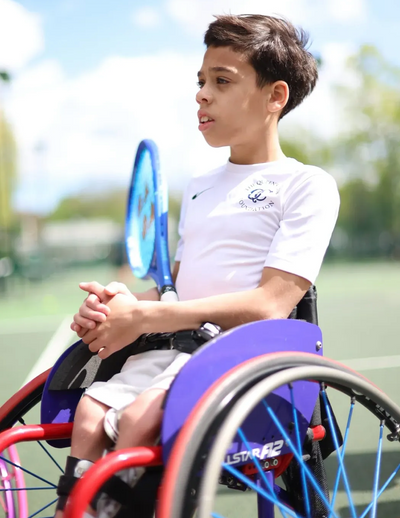
Leo’s Journey: Sacral Agenesis, KAFOs and Wheelchair Tennis
Meet Leo, a determined 10-year-old with a passion for sport, an incredible mindset and dreams of one day playing wheelchair tennis professionally. From finding his love for tennis to stepping onto the famous Wimbledon grass, Leo’s journey is one of resilience, determination and showing the world that a disability does not define what you can achieve.                             Leo plays wheelchair tennis and is currently on the under-14s pathway, working hard to develop his skills and progress in the sport he loves.  If his parents had to described Leo in just three words, they would be tenacious, resilient and inspiring.  Leo has Sacral Agenesis, a condition that affects his everyday life in a number of ways. He is unable to walk independently and relies on his crutches or wheelchair to get around.  Living with his condition also means managing pain and fatigue. Getting from one place to another requires much more energy, and he often experiences pain in his legs and knees.  Medical appointments and interventions also take up a significant amount of time. Having to navigate appointments with different medical professionals, manage ongoing care and plan for the future can sometimes feel overwhelming.  Despite these challenges, Leo continues to push himself and make the most of every opportunity.  For Leo and his family, maintaining a strong mindset is important. They are learning to manage the challenges of his condition today while also preparing for what the future may hold.  It is a journey that requires patience, resilience and plenty of determination.  But through it all, Leo continues to show that there is so much more to him than his diagnosis.         Finding His Passion for Wheelchair Tennis  From playing football with his crutches at a young age to discovering wheelchair tennis, sport has always been a huge part of his life.  His love for tennis began after attending a Paralympic open day, where he had the opportunity to try different sports.  The moment Leo picked up a tennis racket, something clicked.  He instantly fell in love with the game and has never looked back.  Since then, tennis has opened up some incredible opportunities for him.  One of his most memorable experiences was getting the chance to perform the coin toss at the men's wheelchair singles final at Wimbledon.                      For Leo, these experiences have been more than just exciting moments. They have helped him see what is possible and given him something incredible to work towards.  His dream is to one day play wheelchair tennis professionally.  And with the determination he continues to show, he is certainly working towards that goal.  Being around other people with similar conditions has helped him realise that he is not alone. Instead of feeling defined by his disability, he can focus on being part of a team, making friends and enjoying the things he loves.    The Difference His KAFOs Have Made  Before Leo received his KAFOs, his family's biggest hope was that they would help him walk more strongly and confidently, without the worry of his legs becoming unstable.  They wanted him to feel safe, supported and able to move around with greater independence.  And the difference has been incredible.  Leo's KAFOs provided by our team at MedFac Orthotics (Florence Paediatrics) have become such an important part of his everyday life that his family says they would be lost without them.  They have made a huge difference to his mobility and independence, helping him feel more stable and secure.  Having the right support for his legs, knees and feet has also given Leo the confidence to take part in the activities he loves.  Whether he is walking, playing tennis or trying something new, he knows that his legs are supported and stable.  This has allowed him to focus on enjoying himself and pushing towards his goals, rather than worrying about whether his legs will support him.       
Read full article
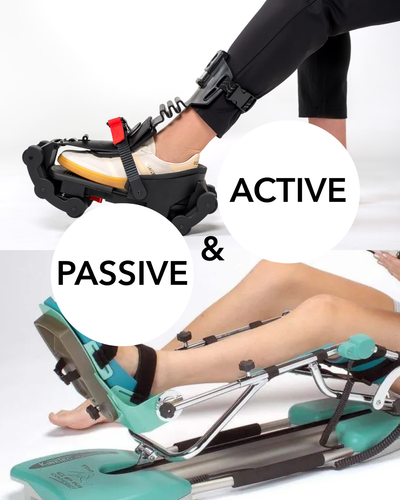
ACTIVE
Passive vs Active Movement in Rehabilitation: What's the difference?
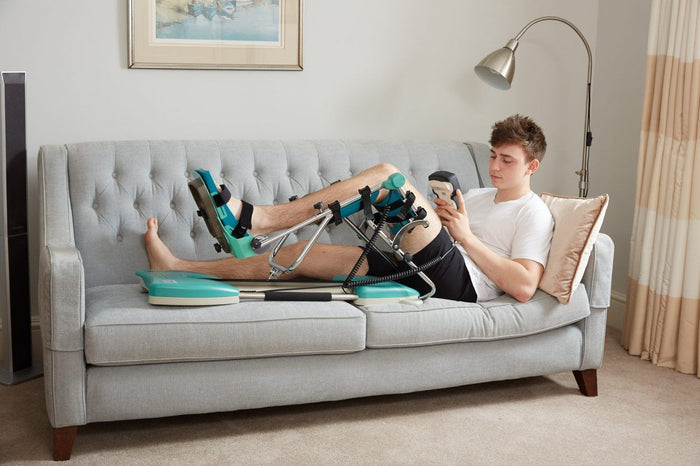
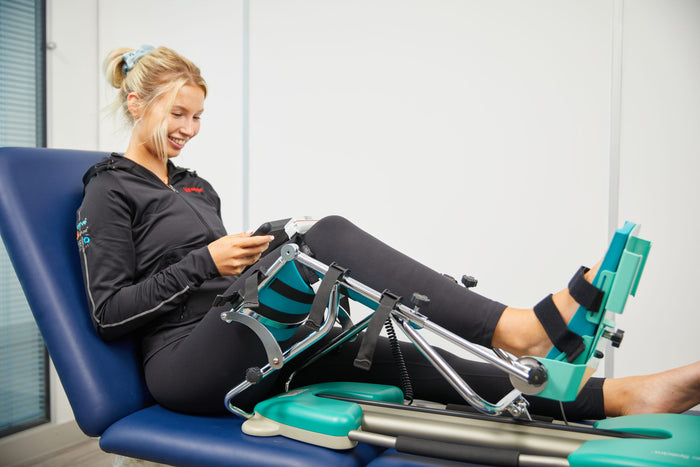
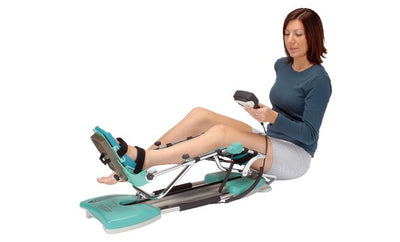
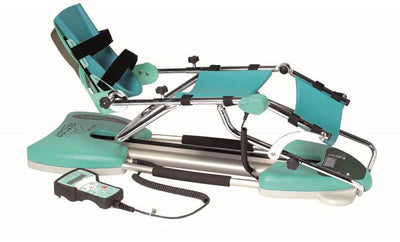
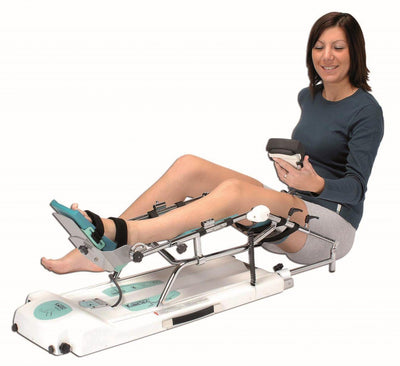
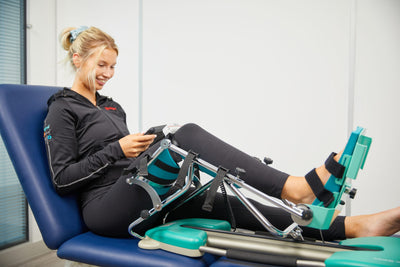
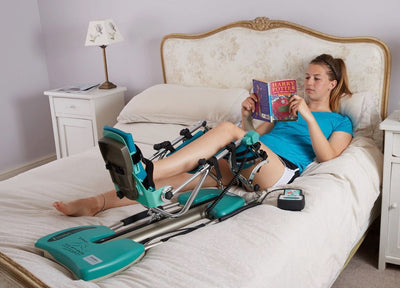
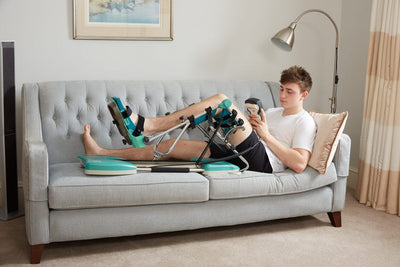
When recovering from surgery or injury, movement is medicine. But not all movement is the same. In rehabilitation, two key approaches are passive and active movements - each playing a critical role at different stages of recovery. Using examples like the CPM and the MAXM Skate, let's explore how these approaches differ, when to use them, and how combining both can optimise recovery outcomes. What is Passive Movement? Passive movement occurs when a joint is moved without the patient actively engaging their muscles.  The movement is generated by an external force - usually a therapist or rehabilitation device.  A great example of passive movement technology is the CPM (Continuous Passive Motion) machine. CPM devices are commonly prescribed after procedures such as : Total knee replacement ACL reconstruction Cartilage repair Other orthopaedic surgeries What is Active Movement? Active movement requires the patient to engage their own muscles to create motion. This type of rehabilitation promotes strength, neuromuscular control, coordination, and long-term functional recovery.  The MAXM Skate is designed to support controlled active rehabilitation. It allows patients to perform guided sliding exercises that : Encourage muscle activation Promote joint control Improve range of motion Build strength progressively Why combining both is powerful The combination of passive and active movement is recommended in rehabilitation because it addresses both tissue healing and functional recovery at the same time.  Passive movement - such as with a Knee CPM - helps maintain joint range of motion, improve circulation, reduce stiffness, and protect healing structures in the early stages after surgery or injury.  However, passive motion alone does not restore strength or retain the nervous system.  Active movement, on the other hand, rebuilds muscle strength, improves proprioception, and re-establishes motor control, but can be difficult or painful too early in recovery.  When both are combined, patients receive guided, safe joint motion while also activating their muscles. This reduces fear, promotes better movement quality, and accelerates functional progress.  Clinically, the combination bridges the gap between protection and performance, making recovery more efficient, more complete, and more sustainable. 
Read full article
florence paediatricsHalo
Introduction MedFac Orthotics: A Unified Approach to Orthotic Care
We’re proud to announce the launch of MedFac Orthotics—a new platform bringing together the expertise of Halo Medical and Florence Paediatrics under one collaborative banner. By combining decades of clinical experience with advanced manufacturing and digital technologies, MedFac Orthotics offers a comprehensive, patient-focused approach to orthotic care across all ages. Whether supporting complex paediatric needs or adult orthotic solutions, our goal is simple: to deliver precision, quality, and comfort through every custom-made device. Explore our new site to learn more about our services, our team, and how we’re shaping the future of orthotic care. Trusted Expertise in Medical Recovery Solutions Founded over a decade ago, The MedFac Group has established a strong reputation for providing high-quality medical products that enhance recovery and improve quality of life. With a team of over 150 professionals across manufacturing, distribution, and customer service, we operate throughout the US, UK, Europe, and the UAE—supporting both clinical and private healthcare providers. Our key brands—Dr Aktive, Manosplint, X-Lite, Halo, Florence Paediatrics, and Kinetec—offer a wide range of solutions, from hospital and NHS supply to physiotherapy, hand therapy, and paediatric orthotics for all ages. Strengthening Orthotic Services Through Collaboration As the MedFac Group has expanded, so have opportunities for collaboration across brands. A notable example is the synergy between Halo Medical and Florence Paediatrics, whose specialist focus in paediatric orthotics has reinforced our position in this field. To unify their complementary capabilities, MedFac Orthotics was established—offering a collective voice and broader service offering in orthotic care. While collaboration drives innovation, both Halo and Florence Paediatrics continue to operate independently when appropriate, maintaining their individual strengths and specialist expertise. Precision-Crafted Orthoses, Made in the UK At Halo Medical, our expert clinical and manufacturing teams collaborate to deliver custom-made orthoses with exceptional accuracy. Using advanced 3D scanning technology, our orthotists capture precise patient measurements, which are then transformed into high-quality, bespoke devices by our dedicated UK-based manufacturing team. This integrated approach ensures every orthosis is tailored to individual needs—combining clinical insight with technical precision to support better outcomes. Specialist Paediatric Orthotic Care Since 1963 Florence Paediatrics (John Florence Ltd) has been a trusted name in paediatric orthotics for over 60 years. Based in Lewes, we specialise in delivering high-quality, custom-made orthoses for children and young adults—combining clinical expertise with in-house UK manufacturing. Through dedicated clinics and experienced clinicians, we provide tailored orthotic solutions that meet the unique needs of each child, supporting comfort, mobility, and long-term development. CLICK HERE TO BOOK NOW! Halo MedicalLearn more → MedFac OrthoticsVisit website → Florence PaediatricsLearn more →
Read full article
fathers day playing catch active lifestyle
Celebrate Father’s Day with an active lifestyle—tips for staying fit and bonding with dad.
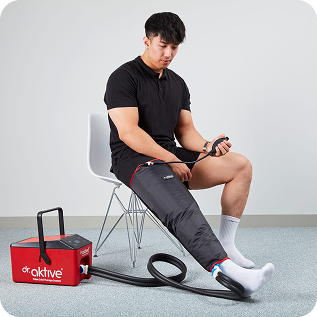
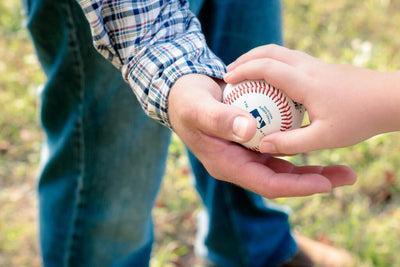
by Adam Bray Father’s Day is to recognise the hard work, dedication, and sacrifices that fathers and father figures make for their families. Having positive male role models can have a lifelong impact on a child’s life. Demonstrating qualities such as responsibility, integrity, and dedication whilst teaching the importance of compassion for others and themselves. By showcasing these qualities, great male role models can shape the lives of those around them positively. Being a kid who had an active lifestyle always wanted to play outside, I had developed a strong connection between me and my dad. We would play catch, shoot hoops, or even go on family bike rides around the neighbourhood. I remember at times I would make it difficult for him because I wanted to stay outside and play. We always enjoyed being active and bonding over sports. Dad would even teach me about yard work and life lessons about working hard and never giving up. Living a healthy and active lifestyle has kept my dad physically and mentally sharp which is what I want to provide for my children as they grow up. Here are some great tips that I recommend for having an active lifestyle with the family: Move your body. If you need more shoe support, products like our OrthoSoles can give a comfortable boost to your day. OrthoSole Insoles → Stay hydrated and eat well. A cold beverage and grilling out with Dad is always a great summer treat. Pick enjoyable activities. Find active hobbies that encourage teamwork and creativity! Rest and recovery. Products like our CCT Wraps make a great affordable Father’s Day gift! After a long activity day, using cold compression will ease muscles. CCT Wraps → Set goals and be consistent. Start small and at your fitness level. By starting to take a walk every day and staying consistent with that makes a goal of running a 5k more achievable. And above all… involve family! Don’t do things alone! Get everyone up and moving. There are great benefits to staying physically active. Improved health, increased energy, and increased longevity are just some of the benefits. The emotional benefits are also just as important. Lower stress levels, enhanced mood, improved mental clarity, and better self-esteem. All of this helps strengthen family bonds and promote a healthy lifestyle for all generations. I encourage dads and children to find active interests that they can bond over like my dad and I did. This year is my first Father’s Day and I hope to develop a connection through living an active lifestyle like I had growing up. Adam Bray is Kinetec USA's Midwest Sales Manager and former Professional Baseball Player. During his professional baseball career, he played for a few organizations including the hometown team the Minnesota Twins. During the many years of playing, he focused on honing his skills as a dedicated athlete and contributing to numerous victories. His journey was marked by unforgettable moments, personal growth, and the relentless pursuit of excellence on and off the field.
Read full article
Kinevia Range
Kineteckinevia
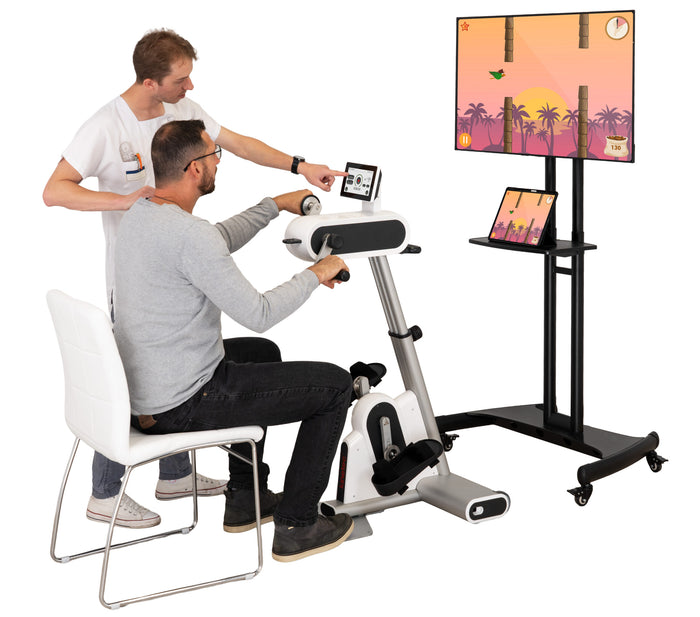
Why use the Kinevia™ for full body rehabilitation?
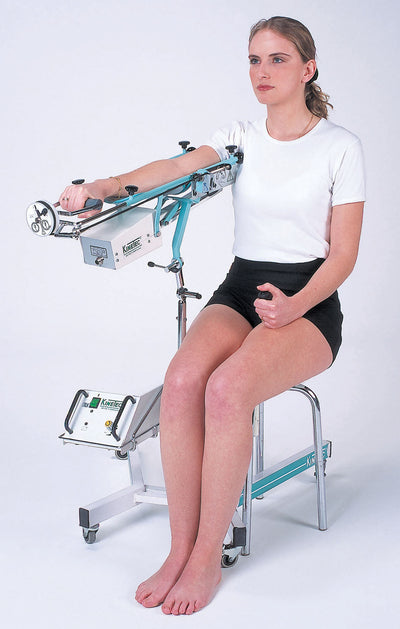
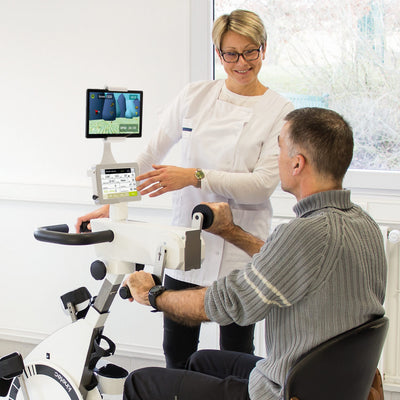
Kinevia Clinical Study The Kinevia is a high quality, intelligent exercise therapy system for upper and lower limbs, featuring a wide range of exercise modes and benefits for the user. The Study The paraplegic center at the Ulm – RKU University and Rehabilitation Clinics carried out a clinical study for the Kinevia system. Click here to download the full study. The Kinevia Clinical Study took place in the period from 12/9/2013 to 12/13/2013 in the practice rooms of the paraplegic center of the RKU. The observational study of clinical benefit took place for the “Kinevia” leg trainer and “Kinevia Duo”. The Kinevia leg trainer (part no. 8000) and Kinevia Duo (part no. 8200) were tested at the Ulm University Orthopedic Clinic, with 7 patients (5 male, 2 female). The patients were 22 to 77 years of age. Training Sessions The following training sessions were carried out as part of the study: a) 10 minutes of passive training. The number of revolutions for the passive mode was set from 10 – 40 rpm for every individual patient. The automatic change of direction of rotation was set to two minutes. b) Then 5 minutes of active training was set, whereby the level of resistance was set between 1 (= low resistance) and 10 (= average resistance) while the patient’s pulse was being monitored. c) The response behavior of the spasm control function was set individually for each patient. d) The pedal radius was set individually for each patient. The same is repeated for the upper and lower body. View our video here to see our Kinevia entertainment system “The use of the ‘Kinevia’ movement coach is useful for types of paralysis or neuromuscular disorders with loss of function to arms/legs” Ulm – RKU University and Rehabilitation ClinicsUlm, 12/16/2013 The Results Therapeutic efficacy, course of therapeutic application and treatment goals achieved the following results for the Kinevia Clinical Study: Increase in vigilance Increase in the blood supply to the trained muscles Stabilisation of circulatory behaviour Increase in general well-being The use of the “Kinevia” movement coach is useful for types of paralysis or neuromuscular disorders with loss of function to arms/legs, e.g. as a result of high transverse lesions, multiple sclerosis, muscular dystrophy, consequences of brain injury or neuromuscular diseases with comparable damage. Results of the functions of the device The display is easy to read. All buttons are easy to use. Acceleration is slow and linear. The maximum final speed is reached after a minimum of 15 seconds. An automatic spasm detection function is integrated. The response behavior of the spasm detection function is appropriate and adequate. Kinevia Duo → Kinevia → Please contact us for more information or to arrange a demonstration of the Kinevia. Sales & Rentals: 03330 347400 · enquiries@kinetecuk.com Help & Support: 03330 347400 · enquiries@kinetecuk.com
Read full article