warranty

Professional Orthotic services

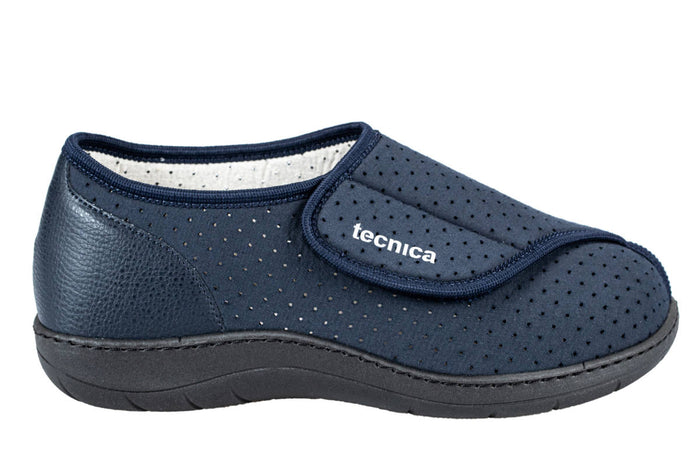
From AFOs and spinal braces to specialist footwear and bespoke insoles, our orthotic devices are manufactured at our dedicated UK facility by skilled Orthotists.

warranty

Halo Medical - Specialists

Our clinical and manufacturing teams work closely together to deliver high-quality, personalised solutions, supporting patients from their initial assessment through to fitting, adjustments, and ongoing care.

warranty

Innovation Driven by Patients

Digital scanning and computer-aided manufacture of insoles and braces ensures that our Orthoses are manufactured to a high degree of accuracy.

warranty

Precision Manufacturing

At Halo Medical, all our orthotic devices are manufactured in-house at our dedicated UK facility. Working from detailed 3D scans taken in clinic, our skilled technicians craft each item to ensure the highest levels of accuracy, comfort, and durability.

Services by Halo Medical

From braces and AFOs to footwear and insoles, every product is built to meet the individual needs of our patients. This close link between our clinical and manufacturing teams allows us to maintain quality, shorten turnaround times, and adapt quickly when adjustments are needed, giving you a better fit, faster.
image2 1379x920 0d87d70b db9e 4d24 bed9 3dd8229904bd

What are Orthotics?

Orthotics is the science and practice of assessing, measuring, and fitting orthoses to assist weakened joints, realign joints, and support and reduce pain. The word orthotist comes from the Latin root ‘Ortho’ which means to straighten. Orthotists look after people whose bodies aren’t working properly. 

They may have a genetic condition, arthritis or recently had an injury which has resulted in a fracture to a bone. Orthotists may provide an orthosis which can help someone walk better, realign their body part to reduce force or allow an injury to heal. Prosthetists/orthotists are the smallest allied health professional group. Currently there are 1028 registered to work in the UK.

The discipline covers prosthetists and orthotists, and although some clinicians dual practice, the majority focus on one speciality. Orthotists often work within hospitals or an outpatient department and can see babies from a couple of days old to adults in their 100s. The workload is varied and fast-paced within clinic. 

Our Team

Our team of Orthotists maintain a training regime that ensures they are up to date with the latest technologies and treatments. This means that each patient can be provided with appropriate consultation, optimised outcomes, and an appropriate plan. We have access to scanning in many of our clinics with measures for the effectiveness of chosen devices and treatment regimes. The Halo Medical clinical team consists of 13 registered orthotists and 2 limited orthotic practitioners.  The team has a mix of experienced and graduate clinicians.  This mix of experience gives the team a great opportunity to share outcomes and learn from each other.

Halo Medical have several clinicians who specialise in paediatric patient care; the team includes a diabetes specialist orthotist and a scoliosis specialist.  All the members of the clinical team can spend time within our manufacturing facilities to build confidence and knowledge on the different manufacturing techniques used by the technical team.

The clinical team meet twice a year for training and continued professional development update sessions. During these training sessions, outside speakers come to share research and clinical and product information with the clinicians.

Still Need help?

Get in touch with our team and we'll help you find the right solution.
Halo Medical FAQs

View all FAQs
Halo Medical provides specialist orthotic services and bespoke orthotic devices for NHS and private patients. Our services include AFOs, spinal braces, custom footwear, insoles, and other orthotic solutions designed around individual clinical needs.
This depends on the service you are looking for. Private patients can book an initial consultation directly with Halo Medical, while NHS appointments are usually arranged through your healthcare provider or clinical team.
Your first appointment allows our Orthotist to understand your needs, discuss your goals, and carry out an appropriate clinical assessment. This may include measurements, gait assessment, 3D scanning, or casting, depending on the orthotic solution required.
Yes. Our bespoke orthotic devices are manufactured at our dedicated UK facility by skilled technicians. Our clinical and manufacturing teams work closely together to produce high-quality devices tailored to each patient.
You can start your orthotic journey by booking an appointment through our MedFac Orthotic website. We also offer 5–10 minute video consultations, allowing you to speak with one of our Orthotists and discuss your needs before arranging the most appropriate next step.

Related Articles

ACTIVE
Passive vs Active Movement in Rehabilitation: What's the difference?
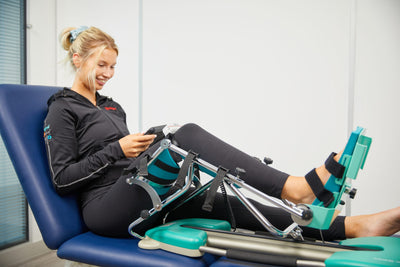
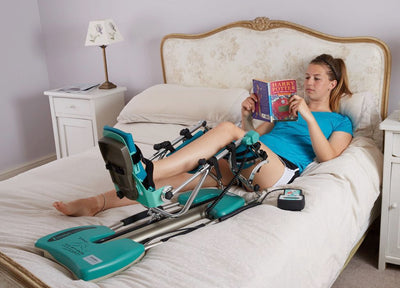
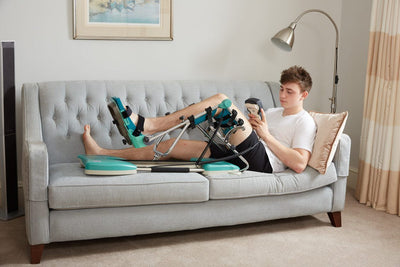
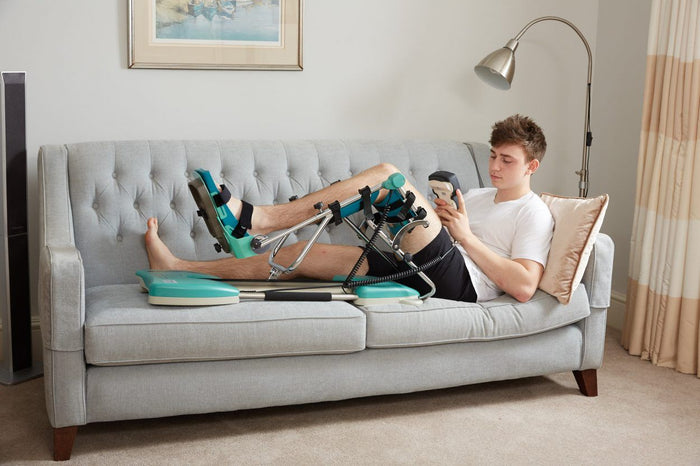
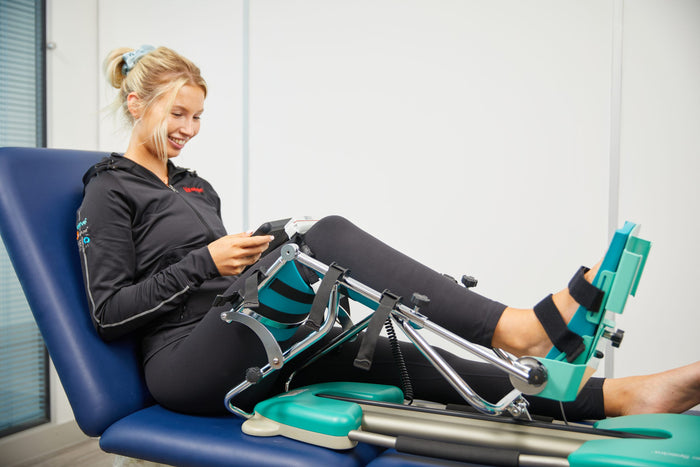
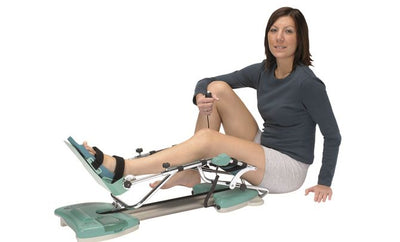
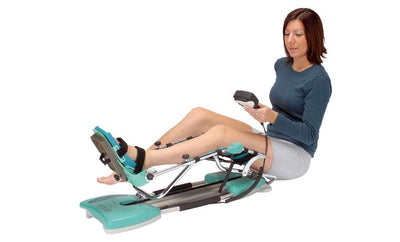
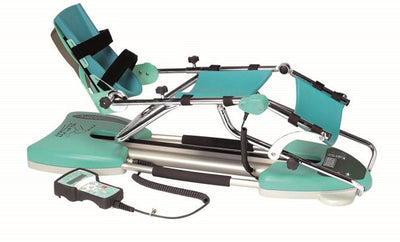
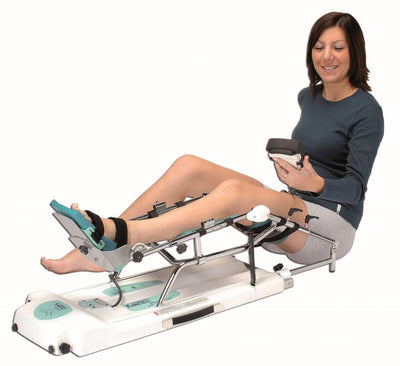
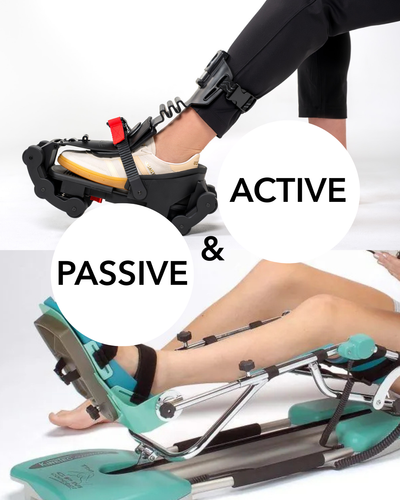
When recovering from surgery or injury, movement is medicine. But not all movement is the same. In rehabilitation, two key approaches are passive and active movements - each playing a critical role at different stages of recovery. Using examples like the CPM and the MAXM Skate, let's explore how these approaches differ, when to use them, and how combining both can optimise recovery outcomes. What is Passive Movement? Passive movement occurs when a joint is moved without the patient actively engaging their muscles.  The movement is generated by an external force - usually a therapist or rehabilitation device.  A great example of passive movement technology is the CPM (Continuous Passive Motion) machine. CPM devices are commonly prescribed after procedures such as : Total knee replacement ACL reconstruction Cartilage repair Other orthopaedic surgeries What is Active Movement? Active movement requires the patient to engage their own muscles to create motion. This type of rehabilitation promotes strength, neuromuscular control, coordination, and long-term functional recovery.  The MAXM Skate is designed to support controlled active rehabilitation. It allows patients to perform guided sliding exercises that : Encourage muscle activation Promote joint control Improve range of motion Build strength progressively Why combining both is powerful The combination of passive and active movement is recommended in rehabilitation because it addresses both tissue healing and functional recovery at the same time.  Passive movement - such as with a Knee CPM - helps maintain joint range of motion, improve circulation, reduce stiffness, and protect healing structures in the early stages after surgery or injury.  However, passive motion alone does not restore strength or retain the nervous system.  Active movement, on the other hand, rebuilds muscle strength, improves proprioception, and re-establishes motor control, but can be difficult or painful too early in recovery.  When both are combined, patients receive guided, safe joint motion while also activating their muscles. This reduces fear, promotes better movement quality, and accelerates functional progress.  Clinically, the combination bridges the gap between protection and performance, making recovery more efficient, more complete, and more sustainable. 
Read full article
florence paediatricsHalo
Introduction MedFac Orthotics: A Unified Approach to Orthotic Care
We’re proud to announce the launch of MedFac Orthotics—a new platform bringing together the expertise of Halo Medical and Florence Paediatrics under one collaborative banner. By combining decades of clinical experience with advanced manufacturing and digital technologies, MedFac Orthotics offers a comprehensive, patient-focused approach to orthotic care across all ages. Whether supporting complex paediatric needs or adult orthotic solutions, our goal is simple: to deliver precision, quality, and comfort through every custom-made device. Explore our new site to learn more about our services, our team, and how we’re shaping the future of orthotic care. Trusted Expertise in Medical Recovery Solutions Founded over a decade ago, The MedFac Group has established a strong reputation for providing high-quality medical products that enhance recovery and improve quality of life. With a team of over 150 professionals across manufacturing, distribution, and customer service, we operate throughout the US, UK, Europe, and the UAE—supporting both clinical and private healthcare providers. Our key brands—Dr Aktive, Manosplint, X-Lite, Halo, Florence Paediatrics, and Kinetec—offer a wide range of solutions, from hospital and NHS supply to physiotherapy, hand therapy, and paediatric orthotics for all ages. Strengthening Orthotic Services Through Collaboration As the MedFac Group has expanded, so have opportunities for collaboration across brands. A notable example is the synergy between Halo Medical and Florence Paediatrics, whose specialist focus in paediatric orthotics has reinforced our position in this field. To unify their complementary capabilities, MedFac Orthotics was established—offering a collective voice and broader service offering in orthotic care. While collaboration drives innovation, both Halo and Florence Paediatrics continue to operate independently when appropriate, maintaining their individual strengths and specialist expertise. Precision-Crafted Orthoses, Made in the UK At Halo Medical, our expert clinical and manufacturing teams collaborate to deliver custom-made orthoses with exceptional accuracy. Using advanced 3D scanning technology, our orthotists capture precise patient measurements, which are then transformed into high-quality, bespoke devices by our dedicated UK-based manufacturing team. This integrated approach ensures every orthosis is tailored to individual needs—combining clinical insight with technical precision to support better outcomes. Specialist Paediatric Orthotic Care Since 1963 Florence Paediatrics (John Florence Ltd) has been a trusted name in paediatric orthotics for over 60 years. Based in Lewes, we specialise in delivering high-quality, custom-made orthoses for children and young adults—combining clinical expertise with in-house UK manufacturing. Through dedicated clinics and experienced clinicians, we provide tailored orthotic solutions that meet the unique needs of each child, supporting comfort, mobility, and long-term development. CLICK HERE TO BOOK NOW! Halo MedicalLearn more → MedFac OrthoticsVisit website → Florence PaediatricsLearn more →
Read full article
fathers day playing catch active lifestyle
Celebrate Father’s Day with an active lifestyle—tips for staying fit and bonding with dad.
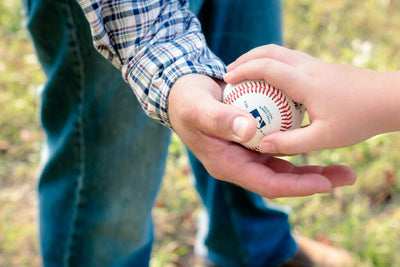
by Adam Bray Father’s Day is to recognise the hard work, dedication, and sacrifices that fathers and father figures make for their families. Having positive male role models can have a lifelong impact on a child’s life. Demonstrating qualities such as responsibility, integrity, and dedication whilst teaching the importance of compassion for others and themselves. By showcasing these qualities, great male role models can shape the lives of those around them positively. Being a kid who had an active lifestyle always wanted to play outside, I had developed a strong connection between me and my dad. We would play catch, shoot hoops, or even go on family bike rides around the neighbourhood. I remember at times I would make it difficult for him because I wanted to stay outside and play. We always enjoyed being active and bonding over sports. Dad would even teach me about yard work and life lessons about working hard and never giving up. Living a healthy and active lifestyle has kept my dad physically and mentally sharp which is what I want to provide for my children as they grow up. Here are some great tips that I recommend for having an active lifestyle with the family: Move your body. If you need more shoe support, products like our OrthoSoles can give a comfortable boost to your day. OrthoSole Insoles → Stay hydrated and eat well. A cold beverage and grilling out with Dad is always a great summer treat. Pick enjoyable activities. Find active hobbies that encourage teamwork and creativity! Rest and recovery. Products like our CCT Wraps make a great affordable Father’s Day gift! After a long activity day, using cold compression will ease muscles. CCT Wraps → Set goals and be consistent. Start small and at your fitness level. By starting to take a walk every day and staying consistent with that makes a goal of running a 5k more achievable. And above all… involve family! Don’t do things alone! Get everyone up and moving. There are great benefits to staying physically active. Improved health, increased energy, and increased longevity are just some of the benefits. The emotional benefits are also just as important. Lower stress levels, enhanced mood, improved mental clarity, and better self-esteem. All of this helps strengthen family bonds and promote a healthy lifestyle for all generations. I encourage dads and children to find active interests that they can bond over like my dad and I did. This year is my first Father’s Day and I hope to develop a connection through living an active lifestyle like I had growing up. Adam Bray is Kinetec USA's Midwest Sales Manager and former Professional Baseball Player. During his professional baseball career, he played for a few organizations including the hometown team the Minnesota Twins. During the many years of playing, he focused on honing his skills as a dedicated athlete and contributing to numerous victories. His journey was marked by unforgettable moments, personal growth, and the relentless pursuit of excellence on and off the field.
Read full article
Kinevia Range
Kineteckinevia
Why use the Kinevia™ for full body rehabilitation?
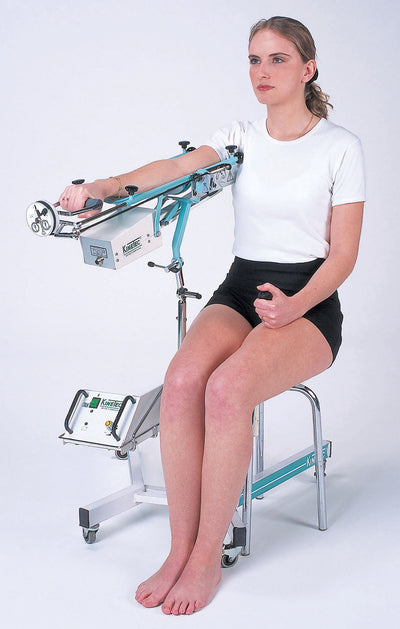
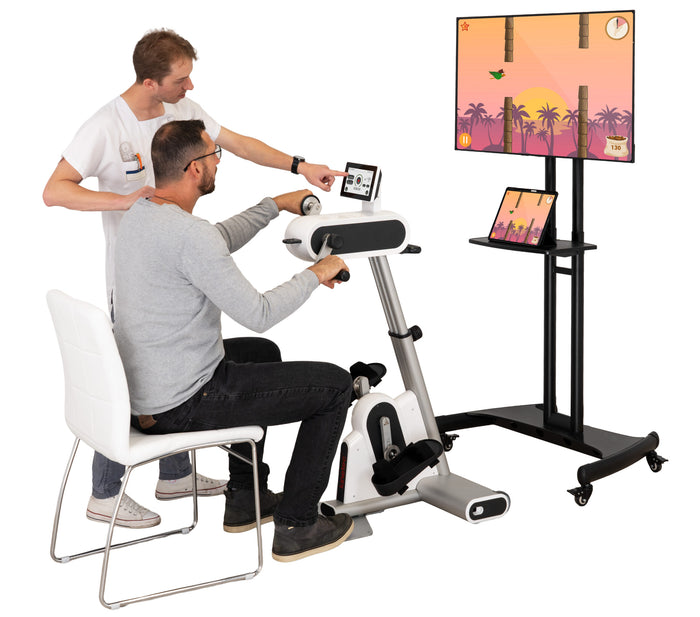
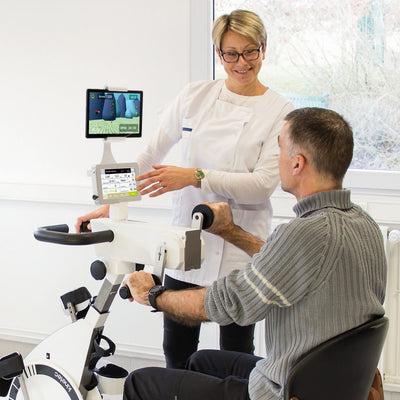
Kinevia Clinical Study The Kinevia is a high quality, intelligent exercise therapy system for upper and lower limbs, featuring a wide range of exercise modes and benefits for the user. The Study The paraplegic center at the Ulm – RKU University and Rehabilitation Clinics carried out a clinical study for the Kinevia system. Click here to download the full study. The Kinevia Clinical Study took place in the period from 12/9/2013 to 12/13/2013 in the practice rooms of the paraplegic center of the RKU. The observational study of clinical benefit took place for the “Kinevia” leg trainer and “Kinevia Duo”. The Kinevia leg trainer (part no. 8000) and Kinevia Duo (part no. 8200) were tested at the Ulm University Orthopedic Clinic, with 7 patients (5 male, 2 female). The patients were 22 to 77 years of age. Training Sessions The following training sessions were carried out as part of the study: a) 10 minutes of passive training. The number of revolutions for the passive mode was set from 10 – 40 rpm for every individual patient. The automatic change of direction of rotation was set to two minutes. b) Then 5 minutes of active training was set, whereby the level of resistance was set between 1 (= low resistance) and 10 (= average resistance) while the patient’s pulse was being monitored. c) The response behavior of the spasm control function was set individually for each patient. d) The pedal radius was set individually for each patient. The same is repeated for the upper and lower body. View our video here to see our Kinevia entertainment system “The use of the ‘Kinevia’ movement coach is useful for types of paralysis or neuromuscular disorders with loss of function to arms/legs” Ulm – RKU University and Rehabilitation ClinicsUlm, 12/16/2013 The Results Therapeutic efficacy, course of therapeutic application and treatment goals achieved the following results for the Kinevia Clinical Study: Increase in vigilance Increase in the blood supply to the trained muscles Stabilisation of circulatory behaviour Increase in general well-being The use of the “Kinevia” movement coach is useful for types of paralysis or neuromuscular disorders with loss of function to arms/legs, e.g. as a result of high transverse lesions, multiple sclerosis, muscular dystrophy, consequences of brain injury or neuromuscular diseases with comparable damage. Results of the functions of the device The display is easy to read. All buttons are easy to use. Acceleration is slow and linear. The maximum final speed is reached after a minimum of 15 seconds. An automatic spasm detection function is integrated. The response behavior of the spasm detection function is appropriate and adequate. Kinevia Duo → Kinevia → Please contact us for more information or to arrange a demonstration of the Kinevia. Sales & Rentals: 03330 347400 · enquiries@kinetecuk.com Help & Support: 03330 347400 · enquiries@kinetecuk.com
Read full article
Women's Health international women's day
cold compression therapyCryo Pro
Women’s Health and International Women’s Day
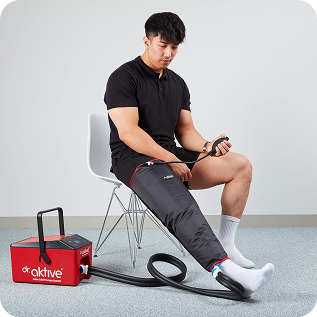
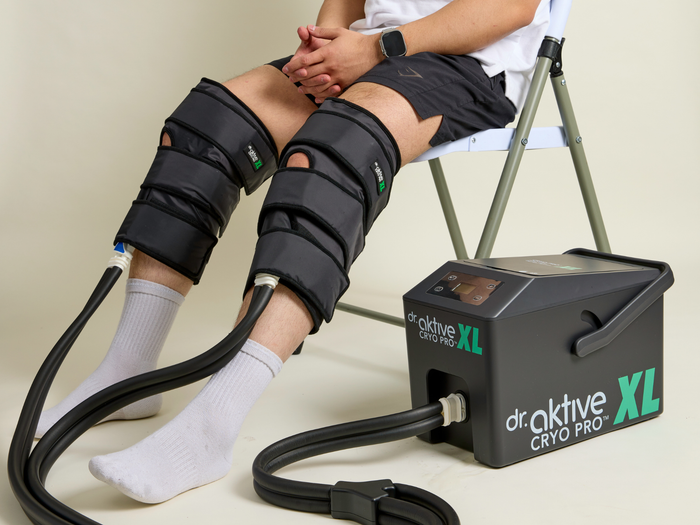
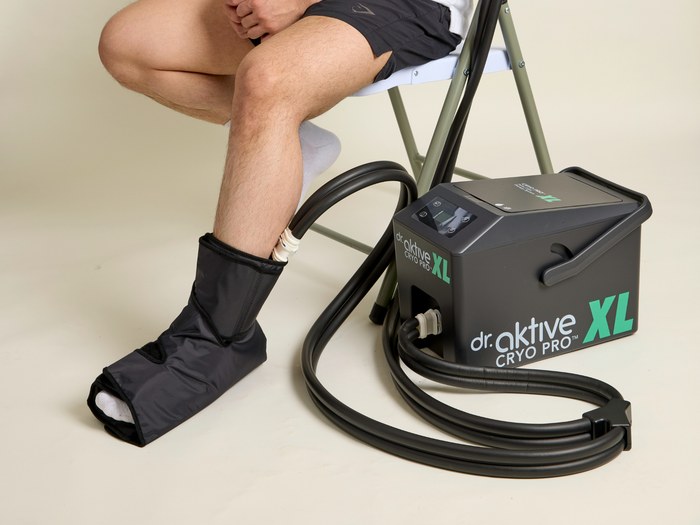
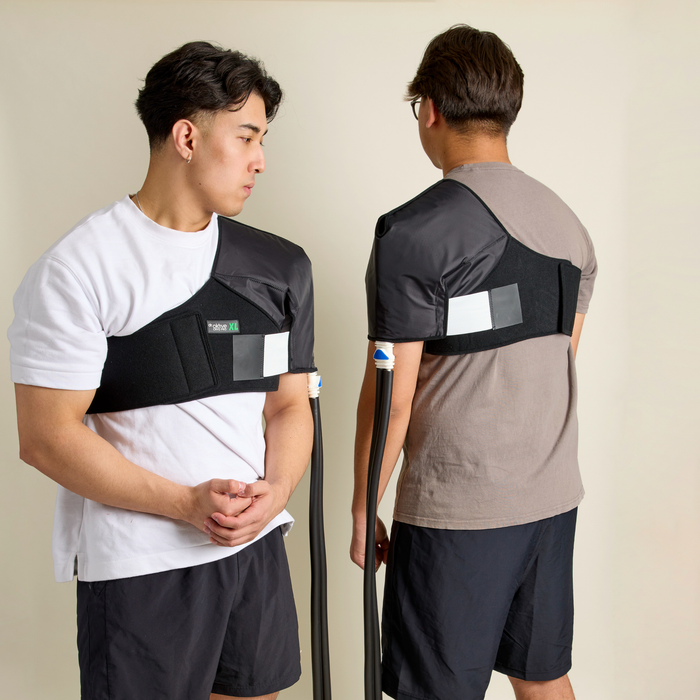
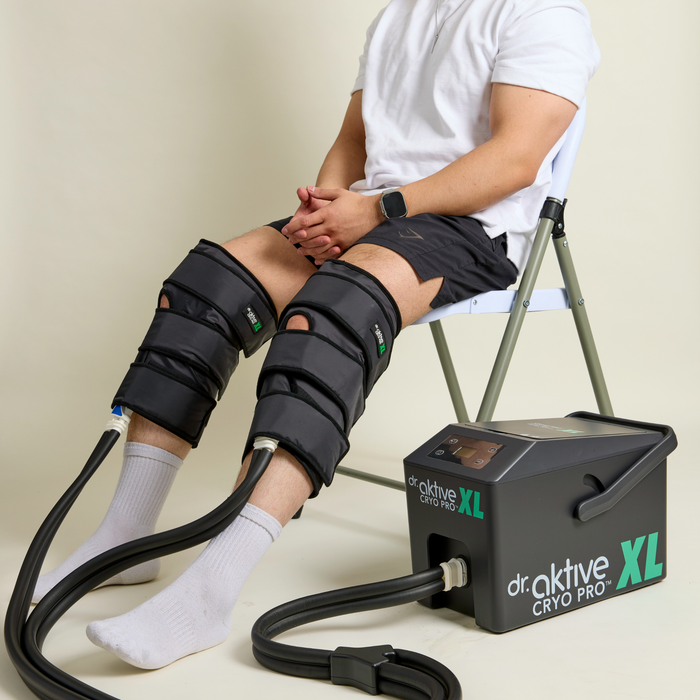
Photo by Douglas Kurn As unique as every woman is, we can all agree that there is a simple joy in finding that your favourite dress comes with pockets. It’s right up there with chocolate, eating your favourite takeout, and curling up in a cosy blanket after a long day. Women’s health and wellness is an important topic for Medfac. Many of our products are made for all bodies in mind. Whether it’s for an active patient or post-op patient requiring passive training, active training, cold therapy, or interactive therapy treatment, Dr. Aktive has products to meet those needs. Cold Therapy for Women's Health There are numerous benefits to gain from cold therapy and cold compression therapy. The well-known include aiding muscle recovery, joint pain and helping you to heal after injuries. It’s a great option for helping speed up recovery after exercises, which is what our Cryo Pro® is best at. Using the RICE (Rest, Ice, Compression, Elevation) principle, one device can make the whole recovery process a lot more streamlined and a more approachable way to aid recovery. Helping with joint and muscle recovery, but as we learn more about women’s health (click link to learn more about this research), there are links that cold therapy has proven to help ease the symptoms of anxiety and depression. Cold therapy can also improve circulation, deepen sleep, and reduce inflammation in the body. It may not be dresses with pockets, but cold therapy will be sure to be a must for your women’s health and wellness needs. Sign up to our mailing list to be the first to know about any new products, especially those to do with cold therapy. Cold Therapy Products
Read full article
KINVENT Biofeedback devices and app
Dr Aktivekinvent
KINVENT: Biofeedback in personalised rehabilitation
Biofeedback Sensors KINVENT allows users to use one or more sensors at the same time in a single exercise to then read the instant feedback on their app. This enables you to plan and pick specific exercises tailored to the patient and monitor their results using biofeedback. The app provides some suggested exercises, depending on the session you wish to complete you can combine, customise, and gamify the exercises. Once you have collected all the data the app can generate reports that can be made as detailed or as simplified as you need. The data can then be exported securely, allowing you to share data instantly. There is also an option for these reports to be branded. Looking for a demo? We can provide demos for you and your clinic if you would like to know more about the sensors, app and what they can bring to you. Contact Us For A Demo The 8 Sensors To understand what each of these sensors we will break them down for you: K-Grip A hand-held dynamometer to measure and assess grip strength. K-Grip is a necessary tool for neurological rehabilitation, tracking fatigue in high-performance athletes, fighting the ageing process, and so much more. K-Bubble An innovative pressure dynamometer. K-Bubble is the ideal tool to objectively measure patients’ ability to exert pressure with any body part, as it transforms pressure variations in force measurements. It is ideal for tests on the adductors or the cervical rachis. K-Move A goniometer is designed to take measurements of the range of motion. Developed to objectify human movement, K-Move allows you to analyse the posture, support and amplitude of movement of your patients to better understand their global mobility. K-Pull Robust and versatile, K-Pull is a traction dynamometer designed to measure the isometric strength of powerful muscle groups, along with strength ratios, endurance, or muscle symmetry from any angle. K-Push A lightweight, versatile, and connected hand-held dynamometer that’s designed to deliver quick strength assessments on the go. It allows you to assess the maximum and isometric strength of almost 40 muscle groups with its range of accessories. K-Push K-Force Plates Our portable force plates are the perfect solution for measuring static and dynamic balance in a wide range of movements (like stance and squats). With its resistance and its lightweight design, it is ideal for assessment and exercise in proprioception. K-Deltas K-Deltas measure and improve athletes’ physical performance and help physiotherapists manage their return to sport. Thanks to their design their load capacity is 2 tonnes per delta. K-Myo The non-invasive EMG sensor helps shorten the rehabilitation process by chasing the weakened muscle groups, transcending muscle activation, and tracking the patient’s improvement. The K-Myo is a portable physical therapy device that allows practitioners to collect and analyse data on muscle distribution rates, reconstruction, imbalance, power, and activation. Measuring Progress with Tempo Training The KINVENT application offers a range of tools for effectively monitoring patient progress. The evolution of tempo success percentages over time provides a concrete overview of improvement in movement execution. In addition, muscle assessments provide an overall understanding of physical evolution and progress. This information provides a solid basis for making informed adjustments to exercise routines, to achieve optimal results for each patient. In short, Tempo Training with KINVENT offers a scientifically backed approach to accelerating recovery and preventing injury, paving the way for more effective, personalised rehabilitation. Empowering Shared Decision-Making Shared Decision Making (SDM) is a dynamic communication process where healthcare professionals and patients collaboratively make informed decisions that resonate with the patient’s values and preferences. Three crucial components drive SDM: clear medical evidence, clinician expertise, and patient goals. Read the article from National Health Service (NHS) England Patient-Centric Features Progress Tracking: KINVENT empowers patients by offering real-time tracking of their progress, providing tangible evidence of improvement, and fostering engagement in their rehabilitation journey. Assessment and Training: Personalised assessments and training programs within KINVENT allow physiotherapists to tailor treatments to individual patient needs, aligning seamlessly with shared decision-making principles. Asking for Patient Feedback with Visual Analog Scale: Integrating the Visual Analog Scale enables physiotherapists to inquire about patient experiences during assessments and training, ensuring a comprehensive understanding of the patient’s perspective. Transparent Consultation Planning: KINVENT ensures patients are well-informed about upcoming consultations through the app. It provides a clear overview of planned activities, fostering patient understanding, and active engagement in their care decisions. Overcoming Device Limitations Personalised Training Anywhere, Anytime: KINVENT Biofeedback allows patients to execute prescribed exercises directly on their devices. This not only overcomes the limitations of physiotherapist devices but also enables patients to engage in personalised training anywhere, anytime. This aligns with the principles of SDM by providing flexibility and convenience for patients. Enhancing Treatment Efficiency: The seamless integration of biofeedback into personal devices facilitates efficient and targeted training. Physiotherapists can guide patients remotely, optimising treatment plans based on real-time data, and patients can perform exercises with the guidance of biofeedback at their convenience. In conclusion, the integration of KINVENT and real-time biofeedback into Shared Decision Making revolutionises physiotherapy. The integration of technology, exemplified by the KINVENT Physio app, plays a pivotal role in enhancing collaboration between patients and physiotherapists. Discover the KINVENT range and book a demo with us now!
Read full article